Weeknote #26: Milestones
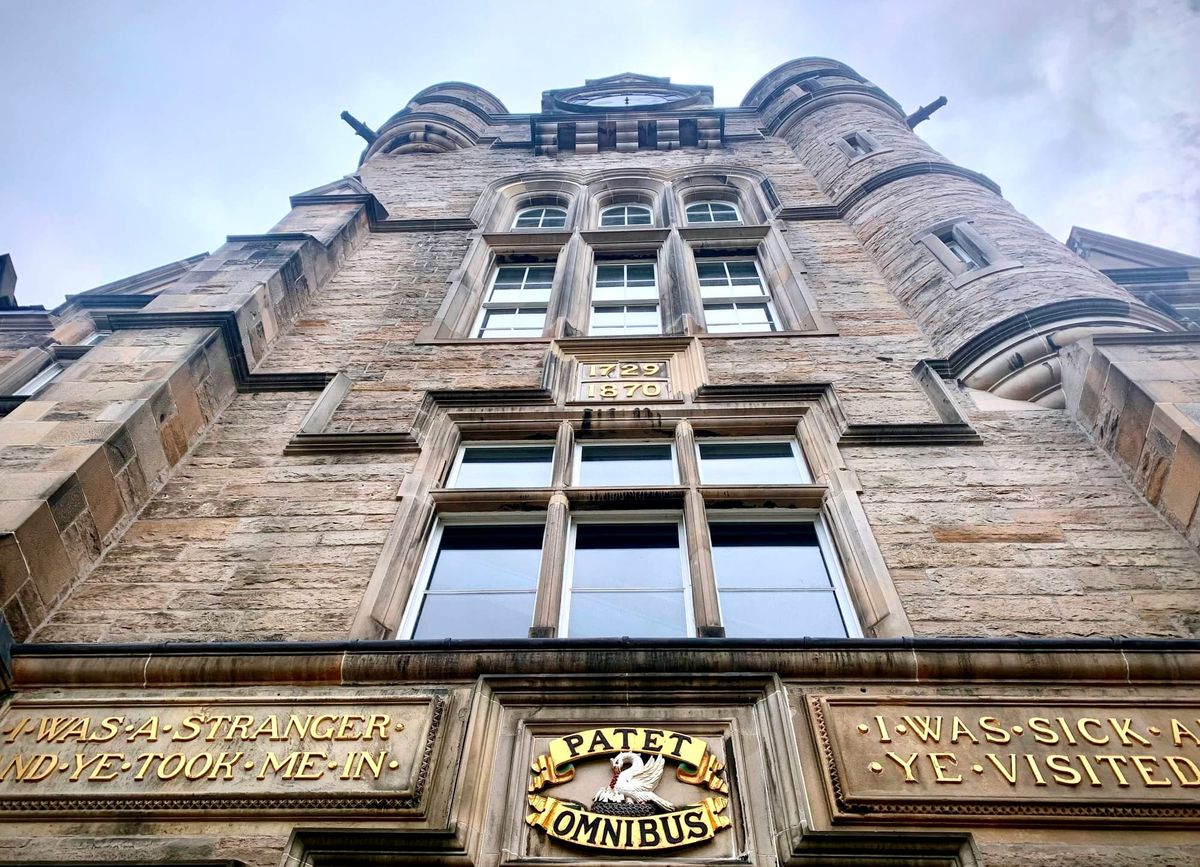
A final week before a long-awaited Summer break, including my wedding anniversary (19 years!) and my brother turning 50 (!!). I also marked three years in my role at the Library and the half way point of writing weeknotes in 2026. (I noted in John Fitzgerald's 100th weeknote that he allocates 30 minutes on a Friday to write 500 words, and I probably need to adopt a similar streamlined approach through the second half of the year.)
What happened this week?
A catch-up with Andy Cummins from CogApp on Monday lifted my spirits and got me thinking about future work. Part of my role often seems to be not thinking about the areas we aren't able to change right now, so it was good to see examples of what might be possible across collections search and discovery. I'm also thinking of holding some "digital showcase" sessions for Library staff where we demo great digital work or how organisations have tackled specific challenges.
We managed to get a UKRI application submitted in super-quick time on Tuesday. Some last-minute scrambling but I'm hopeful the funding will accelerate our ability to create text-based datasets from digitised collections.
Lots of back and forth on contracts for new project and extensions of existing ones. Everything takes longer than you first think.
It felt good to finally kick-off our CRM project and make introductions between project partners. One early issue to solve is what we call people at various interaction points including: members, customers, audiences, readers, subscribers etc. All these terms are useful in different contexts and setting clear user terminology will help simplify customer offers and services.
On Wednesday, it was great to chat to Paul Howley, Interim Director of Technology at the British Library. He has a very difficult job putting shape around a long-term programme of work whilst seeking to embed user-centred thinking throughout. I was keen to wave a flag for the restoration of the UK Web Archive and share thoughts on rolling out AI tools to staff.
A couple of meetings on file management and migration as we approach a six-year deadline for file retention across our SharePoint set-up. No one is really thinking about these things day-to-day: staff just want to find and save their own stuff. I'm hoping a big reset can help when it comes to reducing the Library's overall digital footprint and setting up robust security protocols for the deployment of AI tools.
Some early-stage conversations with the Rijksmusuem on adopting a similar "test and learn" model based on the Library's approach to incorporating AI workflows into daily work. After missing out on the Liber conference in Norway taking place this week, I'm hankering for a trip abroad, including Museum Computer Network in Seattle, and AI4LAM in Washington (although budgets will be an issue).
A very full workforce planning meeting with the leadership team looking at replacement roles and considering alternative models of working. There's some big roles coming up, including: Director of Collections Management, Head of Access and Head of Public Programmes.
On Friday, I pulled together a meeting focussed on the printing service in the Reading Rooms. Front-facing services often have a complex ownership structure between technology, library systems and customer-service roles and it was good to agree a secure way to enable (free) printing that simplified set-ups at every stage.
Finally, GovCamp Scotland is returning on Monday 21 September. The organising committee is doing a brilliant job at coordinating comms and identifying a wide pool of volunteers. You can secure tickets here.
Interesting things
RAMegeddon is the new normal: a worrying report from Lenovo on increasing hardware pricing and significant delays (h/t John Fitzgerald)
- Ford have rehired veteran staff after realising AI tools can't replace experience.
- In contrast, IKEA realised a lot of automated queries were not transactional, but advisory - and are reskilling customer experience staff as a result.
- I caught up with Oonagh Murphey's talk at the MuseologyX Conference on Museums and AI:
Museums should not simply use technology. They should be among the key civic spaces in which technology is publicly questioned, culturally situated, and ethically contested. Put bluntly - if museums are not spaces for critical technology discourse, they risk becoming champions for technological power.
- How to deliver digital transformation in public services: an Institute of Government guide setting out the key success factors for digital transformation. Many of the "seven lessons" just seem like sensible guidelines for any project at scale.
- Evolving the service standard for the future of public services: a GDS blog on what “good” looks like for the future of public services.
- Service design is not user experience design at greater scale - a useful distinction from Simon Morgan-Wilson on phrases I often use when describing digital work:
"UX takes a piece of a system – an app, a flow, a touchpoint – and tries to make it work well for the person using it... Service design works the other way round. The system itself is what gets designed."
- Related, some practice notes of what good "test and learn" looks like:
"[it] is at its best when an organisation treats what it is learning about itself as seriously as what it is learning about the service."
- No Clean Sheet - A nice break from gold FIFA logos, this site compares competing nations across a range of human rights measures (h/t Ash Mann).