Weeknotes #3: One is busy
This week looked a little quieter at first, but quickly filled up with meetings and having to respond to looming questions or decisions. There's a general sense of overwhelm across teams and folk having to grab space between other things to get core work* done.
What happened this week?
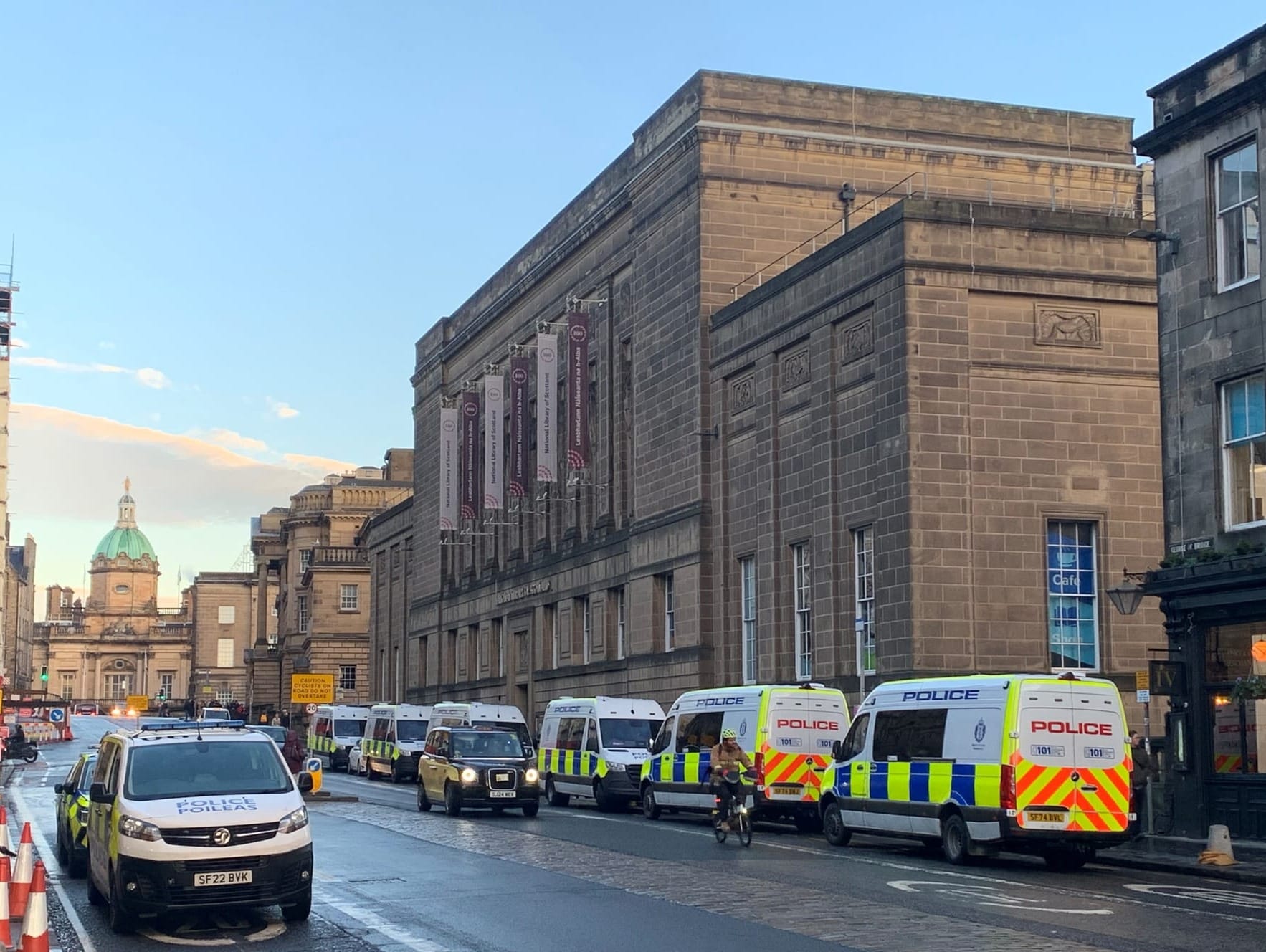
Monday kicked off in slightly different fasion with blue skies and a visit from Her Majesty the Queen (👑) for the launch of the National Year of Reading in Scotland. A strong police presence on George VI Bridge keep me at a safe distance, and caused some mild alarm from tourists and locals. It was good to fill the building with school kids and for our Director of Engagement to stage a big final event before her retirement next month. She will be missed!
The results of various job evaluations came in throughout the week, with some positive outcomes across the department. New positions are very hard to bring in and so digital roles inevitably expand to fill the gaps. Retaining skilled, experienced staff is crucial.
That said, I did put together a business case for a new CRM Product Manager. With some Bloomberg funding we're trying to consolidate data from various unlinked systems and teams working in isolation (a tale as old as time). I'm nervous about a "big system" solution and so centralising in-house knowledge and ownership will be essential to maintain momentum.
A regular leadership coaching session helped me think through priorities and how to remain effective as a Director without always dropping-down to the operational level. This can be tricky when folk are pushed for resource, but clear guidance is often more helpful than another pair of hands.
A positive catch up with the UK Web Archive team at the British Library on Thursday. Following the cyber attack in October 2023, there's progress on restoring access to the archive of an estimated 10 million + web pages. Some big servers will be arriving on-site in the Spring to set up an up-to-date preservation copy.
AI thinking
Lots of interesting AI-related posts spotted. I recently submitted an AI-themed paper to the LIBER Conference, The Power of Libraries in an Uncertain World, partly mainly as it is in Trondheim, Norway. I'm hoping to find time to put together some coherant thoughts in a separate post linked to the small-scale "test and learn" pilot we're runnig at the Library. For now..
The hype machine keeps on churning.
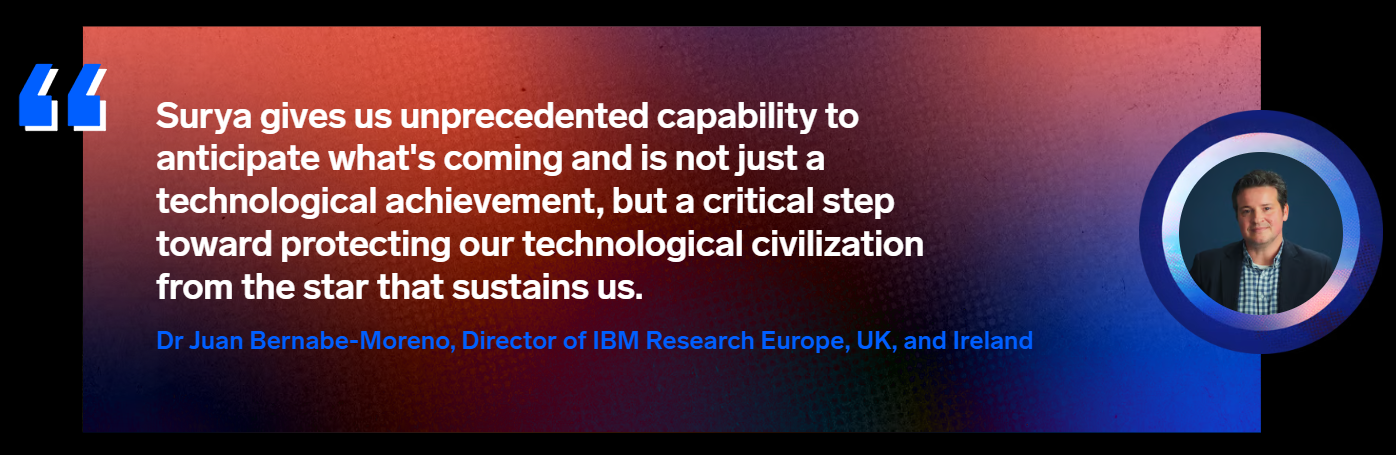
One of many examples, this sponsored AI content on Wired hurt my brain and contained this spectacular piece of nonsense:
There's growing acceptance that the bubble will burst.
Gary Marcus has been saying this for a long time as LLM scaling sees diminshing returns - here he is speaking to Steve Eisman (of The Big Short fame).
Cory Doctorow acknowledges that AI is "the asbestos in the walls of the tech world", but urges us to salvage something from the wreckage.
AI harms are becoming harder to ignore.
Without (effective) regulation, generative image tools were always going to used to for all sorts of terribleness. AI-Powered Disinformation Swarms sound bad and are probably very bad.
Scepticism is on the rise around the usefulness of AI products.
"Is it AI?" is increasingly becoming a short-hand test for quality and creative value, even as tech companies insist they have the exact thing we need. This attempt (posted below) sparked some insightful push-back on Bluesky and the people of Glasgow were not happy about a proposed AI-generated mural.
At Davos, YouTube CEO Neal Mohan said that his main priority was "managing AI slop". Good luck to him, especially as YouTube rolls out AI versions of creators (h/t the ODI's Week in Data newsletter).
A focus on small, specific tools is the way to make AI work.
- Vaugn Tan on Boring Tiny Tools
- Boring Magic's Positions on generative AI, including: Utility trumps hyperbole
- Tom Watson on the need to Focus on Constraints
- Dave Briggs' proposition that AI is not a strategy, it’s a tactic
AI is not a strategy, it’s a tactic. Once all the fuss has settled down, we will be in a position where specific AI tools are useful in specific circumstances – it won’t have “transformed” anything.
After a recommendation, I've been slowly working my way through this online course from Stanford: AI Fundamentals for Public Servants. A useful grounding that I might recommend to colleagues across the Libary.
Other interesting things
- I want to read Kathryn Jezer-Morton's article about friction, but it's paywalled.
- Making museums legible for machines (without breaking the human experience) - from Lucie Paterson at ACMI.
 Lucie Paterson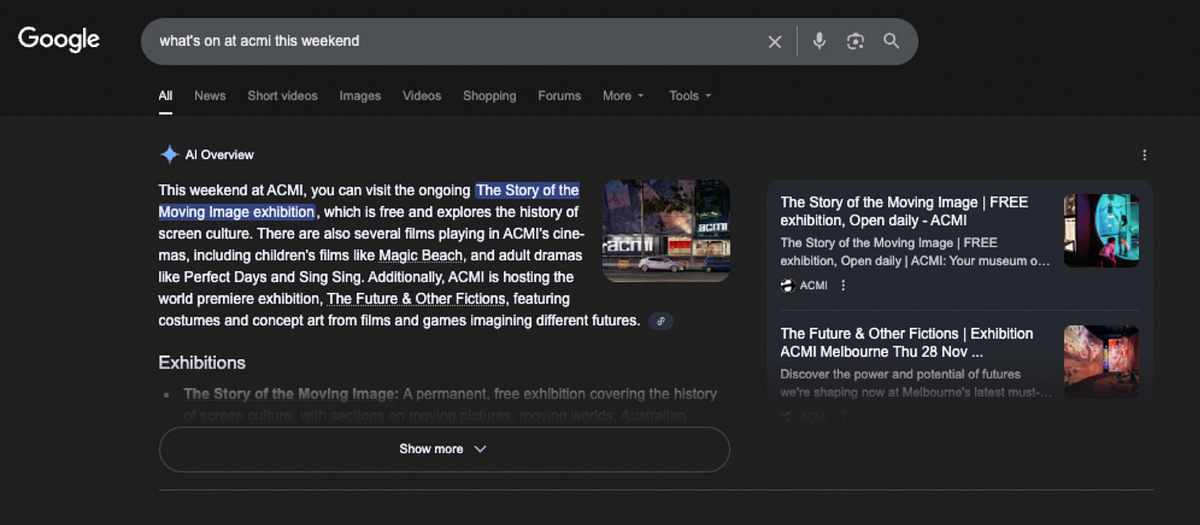
- Dealing with the decision-making log-jam - Ash Mann's latest post felt very relatable this week.
- Good to see major charities disengaging from Twitter. I thought the case was strong back in 2024 and the Library stopped posting in September of that year. Madaleine Sugden has produced another round-up of the charity X-odus.
Watching, listening, reading, doing
📖 The Plot by Jean Hanff Korelitz was smart and enjoyable, if slightly heavy on the "what-it's-like-to-be-a-writer" introspection.
🎥 Marty Supreme ⭐⭐⭐⭐⭐ (I then went back to watch the Safdie Brother's Uncut Gems which follows a similar spiralling pattern, albeit with a less optimistic ending.)
[As a side note, I was sad to see the terrible F1 pick up a Best Film Oscar nomination - my worst film of 2025]
📺 Traitors will be missed when it finishes tonight #teamfaraaz
🏃 Park run improvement continues. I am slowly getting faster. Or, going at the same speed with less effort.
🎾Padel returned at the weekend with the usual mixed results: one shot good, one shot bad.
yeah, just out of interest, how many people choose the pen on the right for real work or art? See a lot of them in professional workplaces, do you?
— (@marykmac.bsky.social) 2025-11-25T08:40:13.994Z
*maybe the other things are the core work?