Weeknote #2: Pragmatic optimism
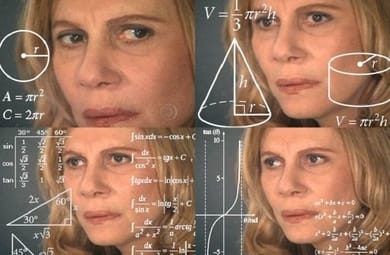
After a frenetic return to the office, this week felt a little calmer with a chance to start planning for the year ahead. This was aided by a day-off on Wednesday to help the boy with his Maths revision. My main takeway: Calculus is hard.
I've been trying to streamline writing these notes, jotting down thoughts and saving links as I go. Thanks to the three people who signed up for updates!
What happened this week?
- My Digital managers shared top-level plans for the year ahead with the Collections Management team. There's lots of overlap on key projects and it felt useful to surface questions and concerns. Good to see positivity around areas of improvement alongside a general acknowledgement of limited times, funding and resource.
- This general approach of "pragmatic optimism" was tested on Tuesday following the Scottish Government budget announcement. Among some good news stories in terms of capital funding for culture, the continued flatlining of core budgets is especially difficult when trying to upgrade secure digital infrastructure and enable wider transformation. My work in year ahead will involve delivering a few key projects well, reviewing what's in place and planning a longer-term programme of change.
- We met with Geoff Huggins, the SG's Director of Digital, to introduce him to the Library's digital infrastructure and collections. Lots of potential here to collaborate on the long-term ambition of delivering a Digital Library Card to the people of Scotland.
- We also had early conversations with the Creative Content Exchange team, based at the Natural History Museum. Their aim to act as a "trusted marketplace for selling, buying, licensing and enabling permitted access to digitised cultural and creative assets" is ambitious and complex. We'll be contributing research-ready open data sets to the pilot and feeding in around copyright protections. Some interesting parallels here with Wikimedia's recent AI training deal to monetise tech firms reliance on its data.
- A nice end of the week catch up with Hugh Wallace (Research Data Scotland) and Ross Ferguson (Public Digital) to plan another Govcamp Scotland, following the return of the event last June. We're hoping to engage a wider group of volunteers and widen the net across local government and the charity sector.
Interesting things
A bit of large-scale doom-mongering from a new paper on how Generative AI is, well, destroying society. A reminder that we must defend the values, structures and people within our civic institutions.
"AI’s current core functionality—that is, if it is used according to its design—will progressively exact a toll upon the institutions that support modern democratic life."
On a more positive note, it was nice to present to the AI Knowledge Sharing Group, organised by National Galleries Scotland. We've been working with Daniel van Strein from Hugging Face on 2-3 small-scale pilots of Small Language Models (SMLs) focussed on specific collection management challenges. These partnership and "test and learn" approaches seem crucial to accelerate applications of AI tools. It's interesting to see cultural organisations beginning to hire AI Product Managers.
Finally, Ash Mann has published his thinking on how people can make effective cases to leaders within cultural institutions. It was great to feed into this work and a lot rang true for both presenting and receiving cases for change. Key takeaways:
- The question leaders ask themselves is rarely "is this good?" It's usually "is this good enough to stop or displace something else?"
- Digital teams are often tasked with working horizontally within organisations and leaders value proposals where they can see engagement with stakeholders has been done already.
- Leaders also want to see a basic recognition of the organisation's capacity and an honest view of what this would affect. The credibility of proposals comes from acknowledging these messy bits and that it might not be able to happen (at least not at the scale or pace being proposed).
 Ash Mann
Watching and listening
Lots of documentaries this week:
- Cover Up, an engaging exploration of investigative journalist Seymour Hersh.
- 1975, on the amazing year of films in the US reflecting a society in crisis - a good companion to the Apple series, 1971: The Year That Changed Music Forever.
- I watched the John Elway documentary on Netflix. My brother is a big Broncos fan entirley due to Elway's stats in John Madden '92 on the Megadrive (I was more drawn to Randall Cunnigham's pace).
Other stuff:
- Left Handed Girl was a brilliant portrayal of strained family relationships in Taipei. Child actor, Nina Ye, is captivating.
- Traitors continues to be a family favourite and a great break from exam revision. It's rare to find a scheduled programme that engages everyone and we've devloped our own shared jokes about the format and the contestants.
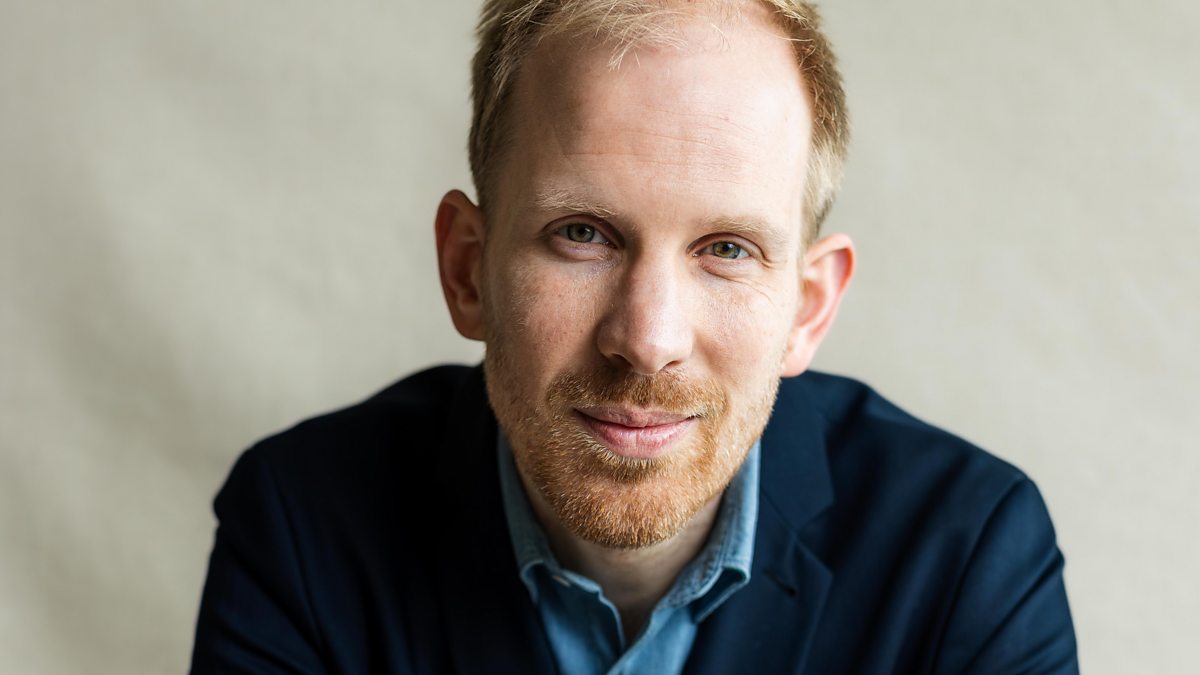
- On the recommendation of Ben Templeton, I also started listening to the BBC’s 2025 Reith Lectures delivered by Rutger Bregman - the guy who called out financial leaders at the Davos World Economic Forum in 2019. Some memorable soundbites - “the elites today livestream the fire and monetise the smoke” - and a robust critique of the New Left to organise around a positive vision (which reminded me of Origin Story's brilliant podcast season on the history of socialism). Hoping the subsequent lectures provide a more optimistic outlook...
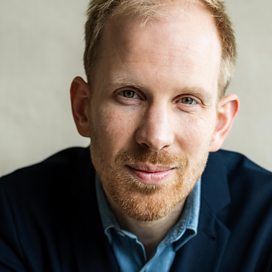 BBC
BBC